

SPP’s voice in the Reform Institute’s debate dedicated to Polish industry
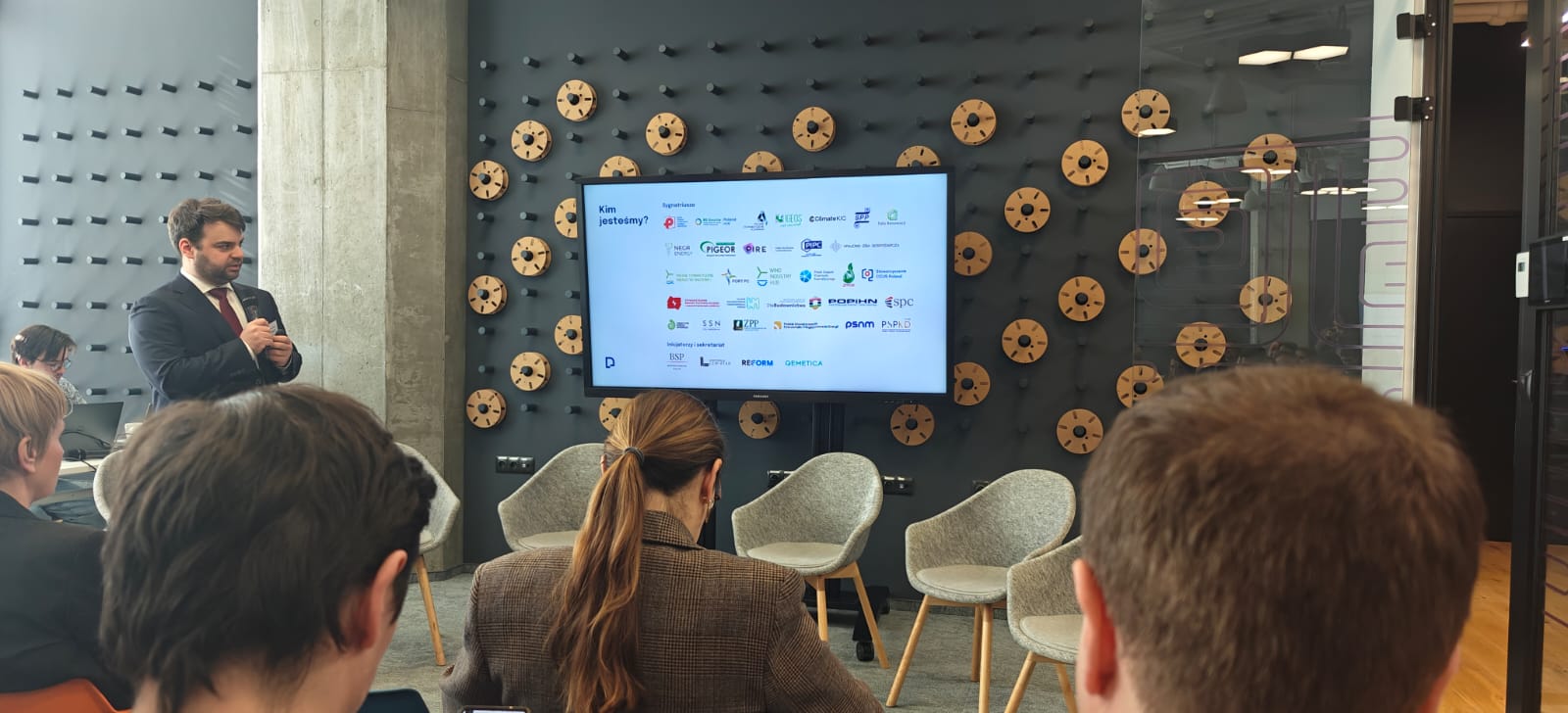
On February 26, 2026, a conference entitled “Pact for Polish Industry: From Declaration to Action Plan” was held at the Central House of Technology in Warsaw. The event was initiated by institutional partners specializing in the substantive analysis of programs and strategies in the area of industrial transformation, as well as the assessment of the impact of key economic sectors on the natural environment and climate change. These include: Business & Science Poland, the Lewiatan Confederation, the Institute for Reform, and Qemetica S.A. Among the numerous (30) signatories of the fundamental postulates, developed in consensus with industry prior to the conference, was the logo of our Association.
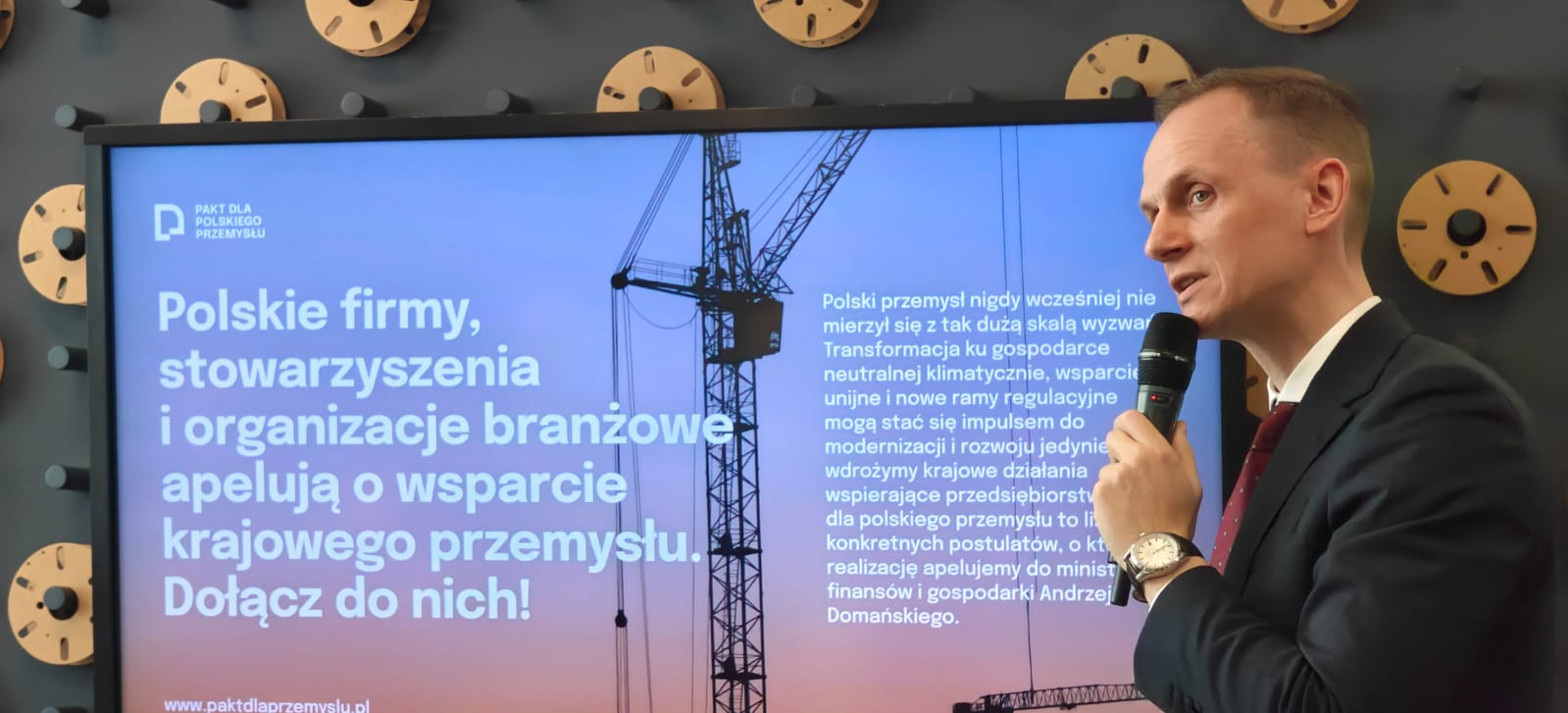
Representatives of public administration, industry, economic self-government activists, business entities, research and development units, the NGO sector, and independent experts were invited to participate in the debate. The conference provided an opportunity to identify the most important barriers and threats in the era of energy and technological transformation of industry, which determine our competitiveness in Europe and on the global market. The organizers referred to an appeal made by leading energy-intensive industries (dated December 9, 2025) to the leadership of the finance and economy ministries, pointing to the urgent need to introduce solutions enabling the effective use of EU financial support mechanisms and tools, as part of the government’s declared “Pact for Polish Industry.” According to industry, maintaining the competitiveness of domestic energy-intensive industries in the context of a costly energy and technological transition will depend largely on the accuracy of decisions in the national legislative ecosystem.
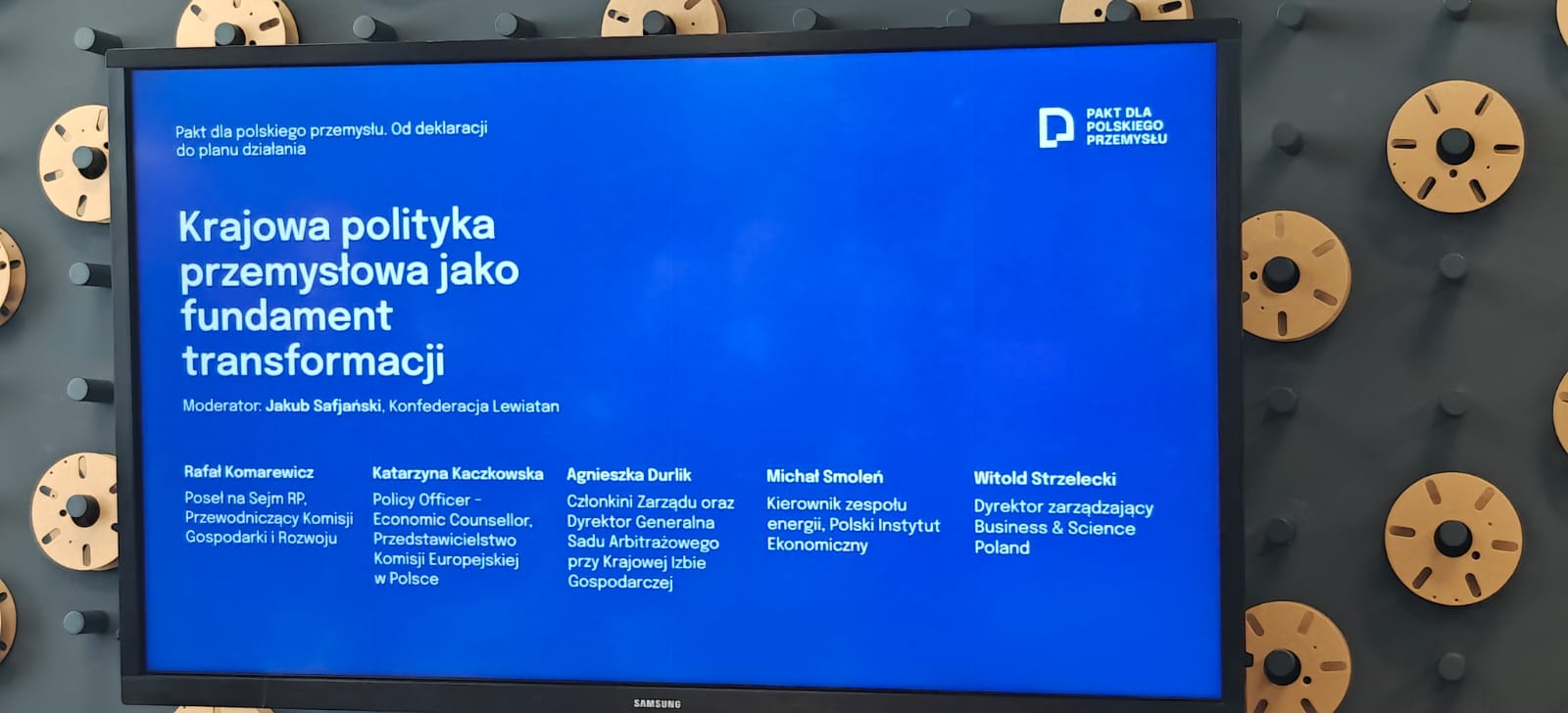
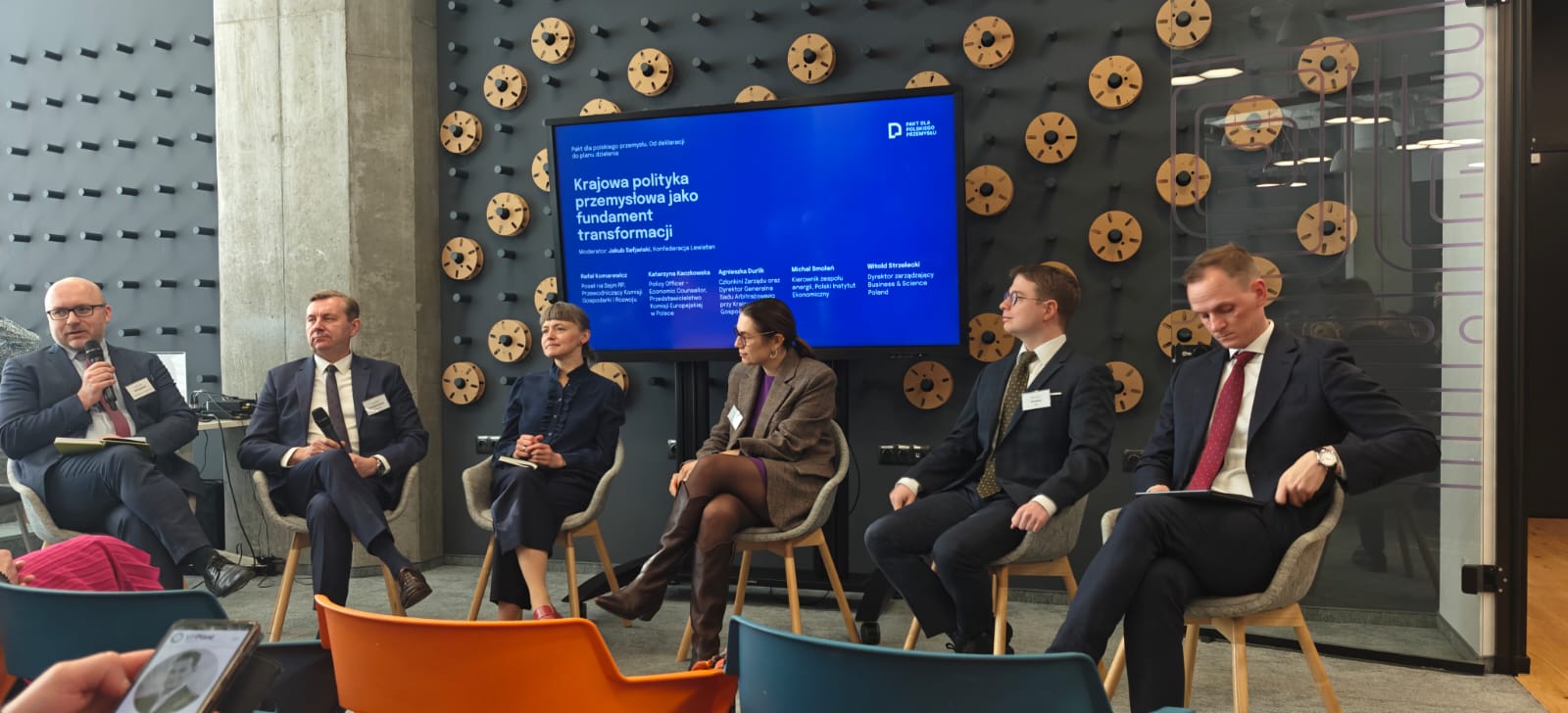
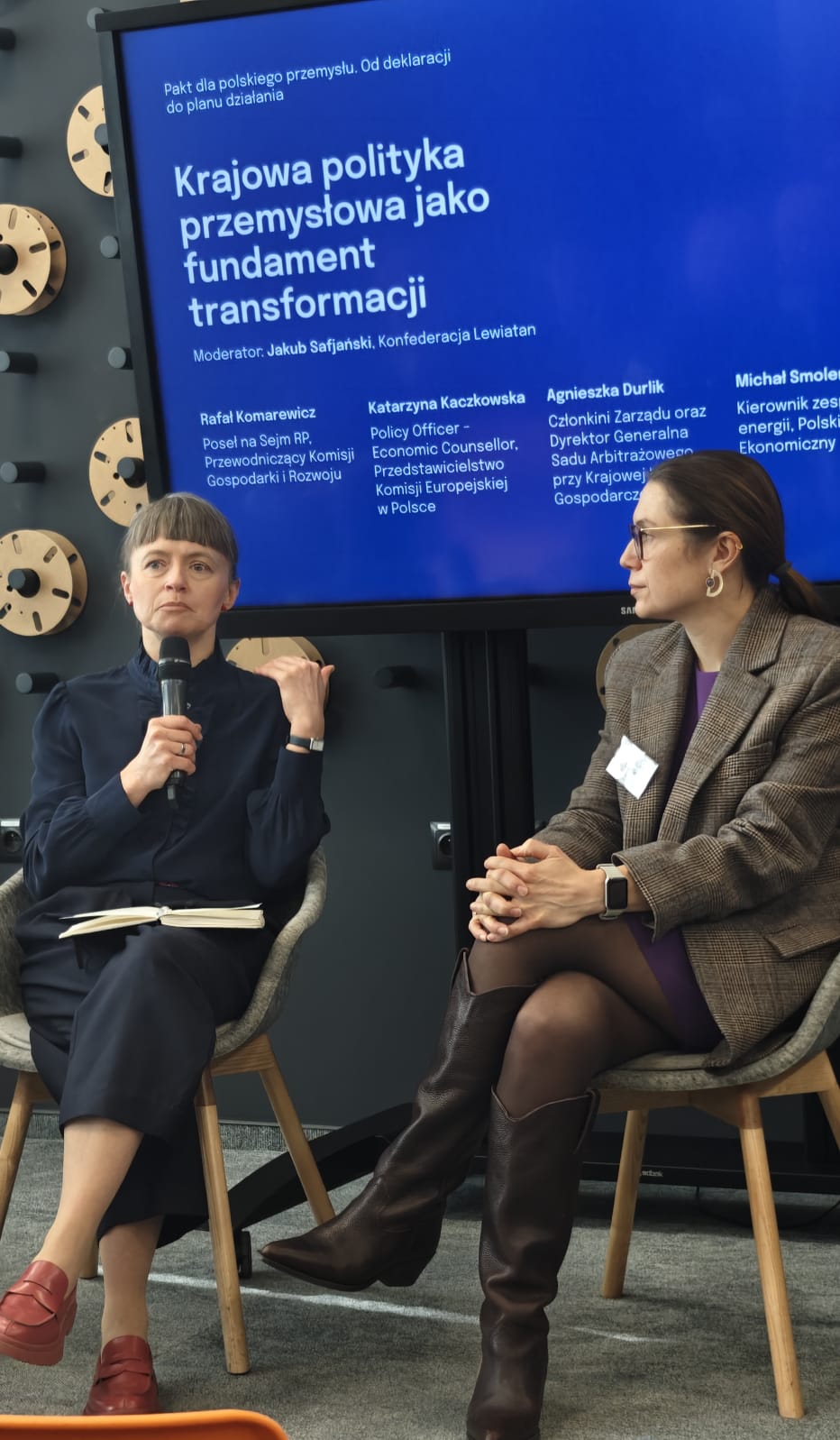
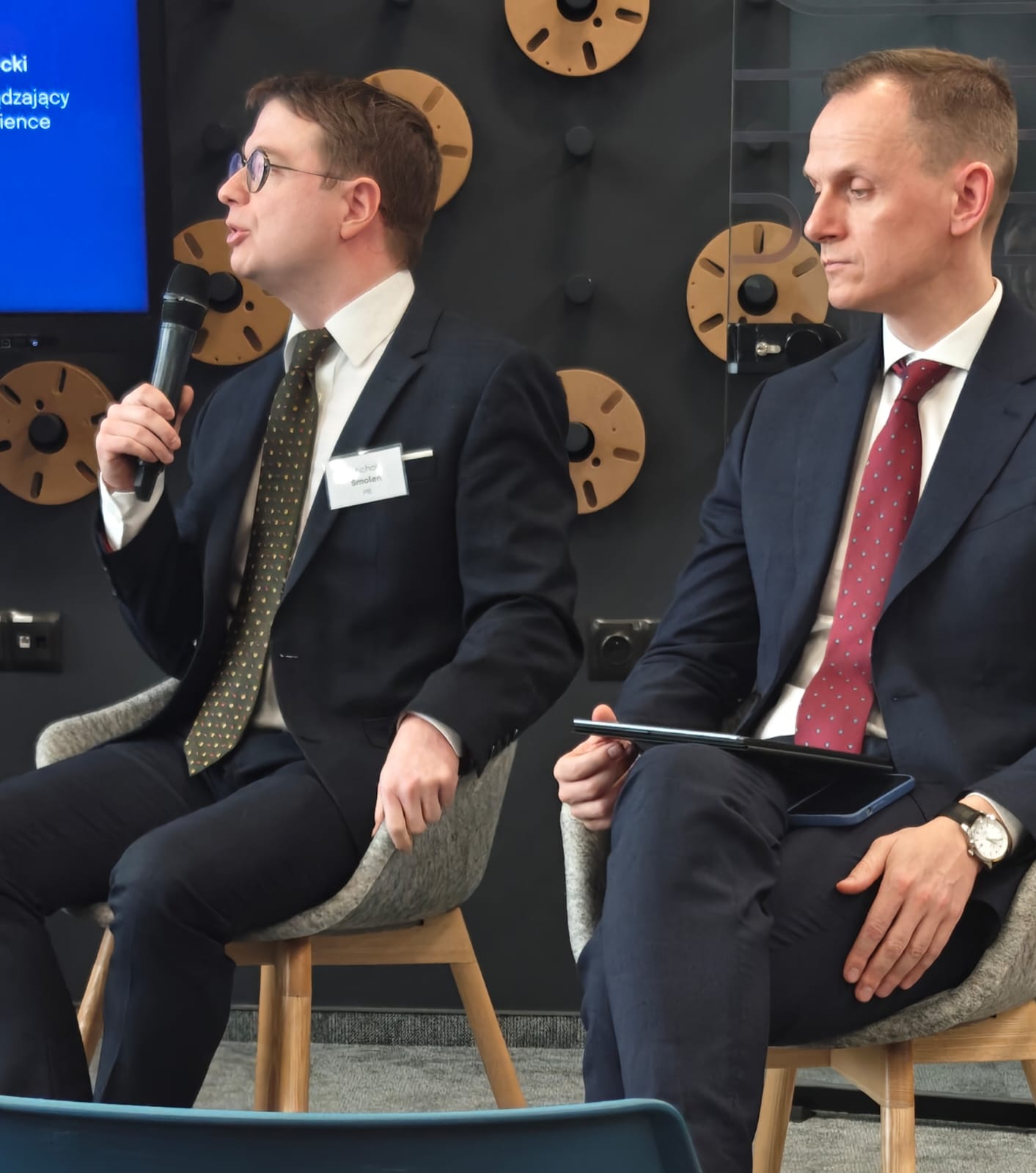
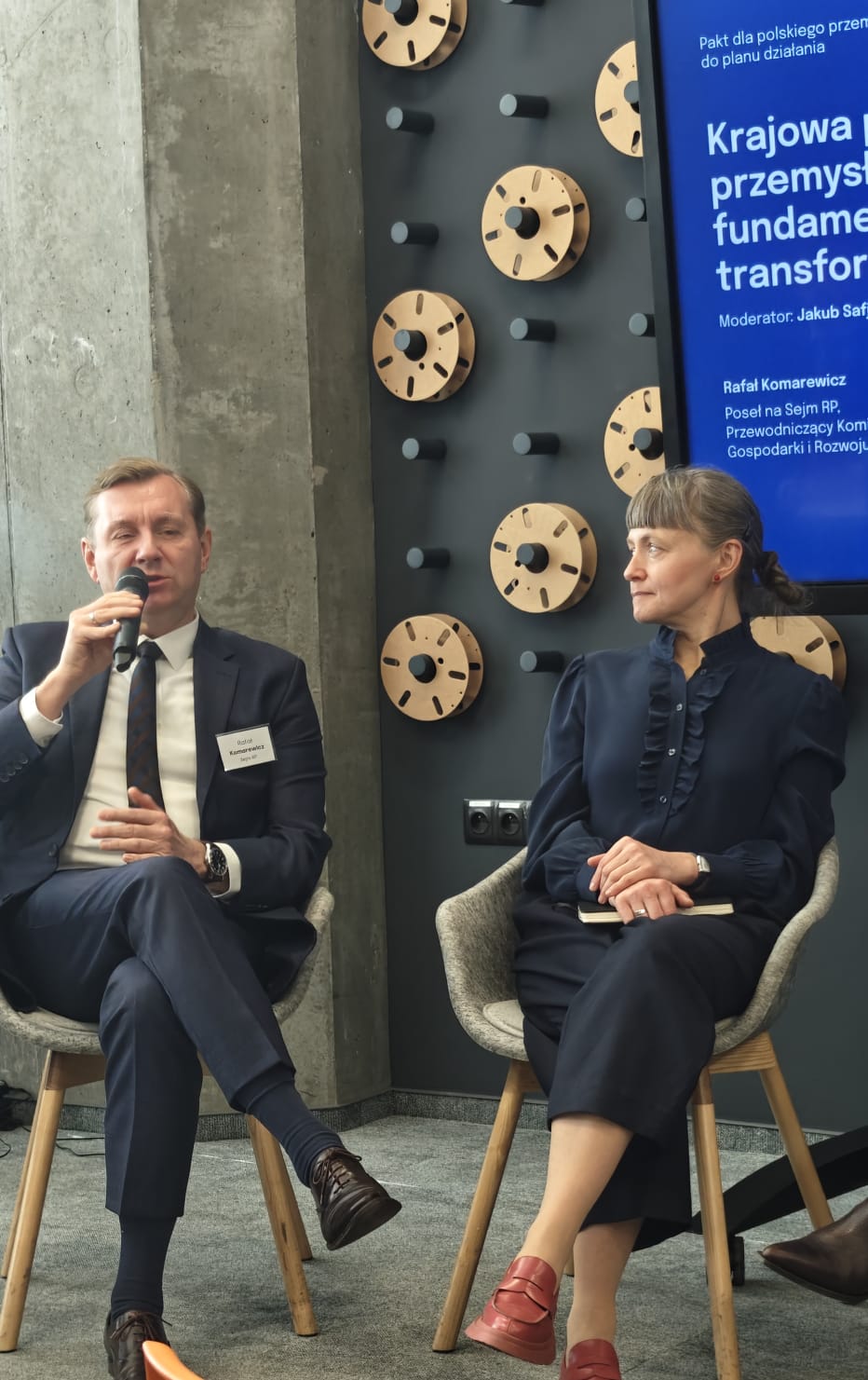
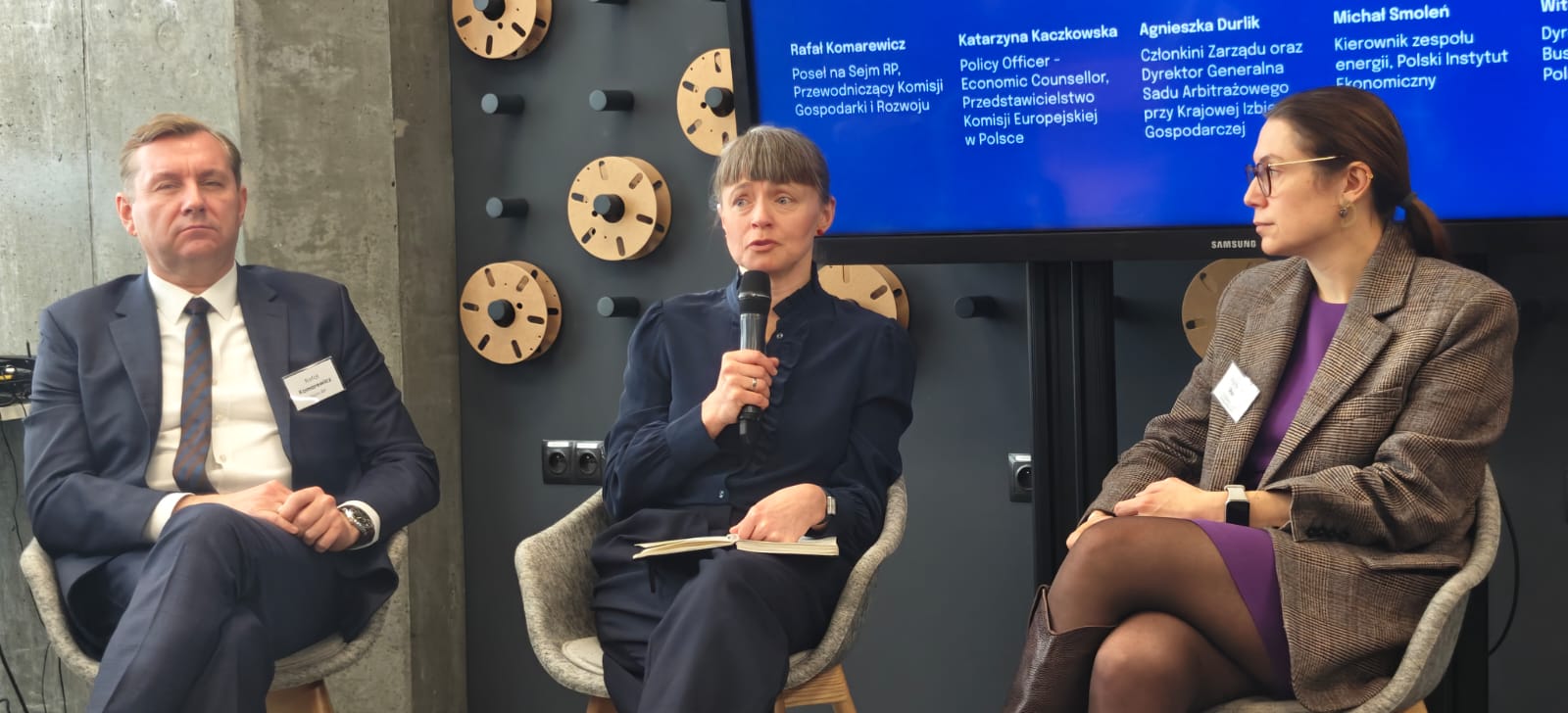
The discussion was introduced by Dr Aleksander Śniegocki (Institute for Reforms) and Witold Strzelecki (BSP). This was followed by speeches from the panellists: Rafal Komarewicz (Member of the Polish Parliament, Chair of the Parliamentary Committee on Economy and Development), Katarzyna Kaczkowska (Economic Counsellor, President of the European Commission in Poland), Agnieszka Durlik (Polish Chamber of Commerce), Michał Smoleń (Polish Economic Institute), and Witold Strzelecki (B&SP).
In the discussion section, Janusz Turski (Director General of SPP) was the first to speak. Referring to the barriers encountered by industrial entrepreneurs in the transformation process, aiming to achieve the EU’s climate neutrality goals, he drew attention to such important aspects as:
- Regulatory uncertainty and constant changes in the EU’s climate and energy policy objectives (“moving targets”) imply increased business risk, weakening investors’ motivation to bear the costs of technological and energy transformation, thereby undermining the competitiveness of industrial plant operators.
- the proliferation of delegated executive acts (“secondary law legislative acts”) results in an excessive bureaucratic burden on plant operators,
- the declared simplification of regulations governing the activities of industrial entrepreneurs (“omnibus simplification package”) has not, in fact, eliminated the overly oppressive nature of the law for entrepreneurs,
- widespread objections to the quality of dialogue on the legal constraints on industrial activity; the pragmatic position of business is often underestimated by political elites and decision-makers in the face of populist voices,
- excessive dispersion of competences at the level of central government administration in terms of formulating a coherent industrial policy program and objectives for the country, resulting in delays in the implementation schedule for dedicated support instruments from EU funds. The Ministry of Industry has unfortunately abdicated at a time that is crucial for the development of an agreed strategy for the implementation of national industrial policy.
Photos: J. Turski, SPP
Galeria zdjęć